How to Choose the Right Printable Substrate for MDF Wrapping?
News Details
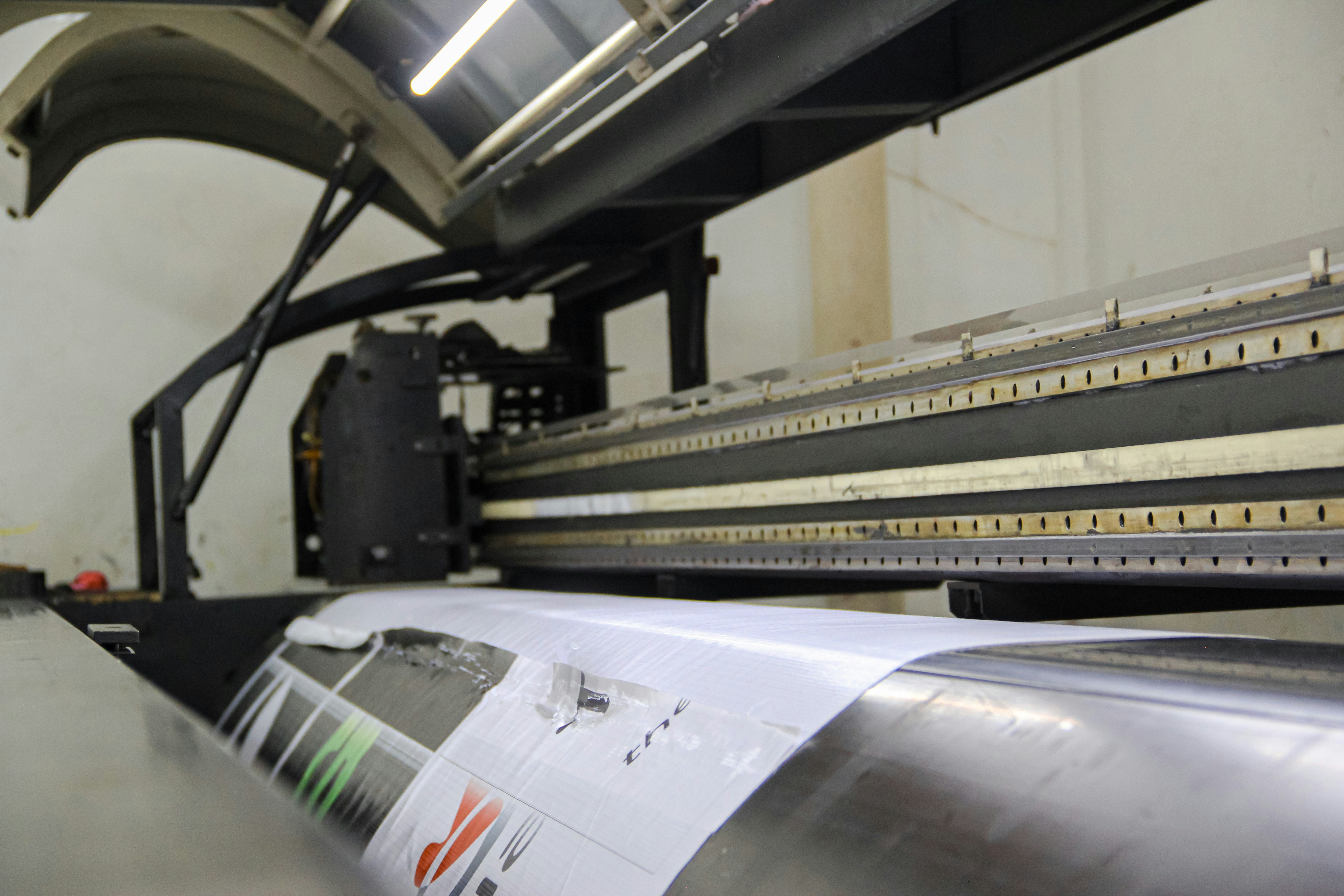
Choosing the right printable substrate for MDF wrapping is crucial for creating appealing, long-lasting, and high-quality decorative surfaces. Whether you're manufacturing furniture panels, interior wall panels, cabinet doors, or other decorative boards, the substrate directly impacts print quality, surface finish, bonding strength, and the final aesthetic of your product.
However, not all printable substrates are compatible with MDF wrapping. Different printing methods, surface materials, and production requirements demand different substrate characteristics. Thus, understanding what to look for before making a decision is essential.
In this guide, we'll walk you through the key factors to consider when selecting a printable substrate for MDF wrapping and how to identify the ideal material for your production needs.
1. Grasp the Definition of a Printable Substratefor MDF Wrapping
A printable substrate refers to a material specifically engineered to receive printed patterns, colors, and images. In MDF wrapping applications, it functions as a decorative surface layer that can be printed and subsequently applied to MDF boards or other compatible panels.
Unlike conventional decorative paper, a printable substrate must seamlessly integrate with digital printing systems. It should also provide a stable surface for ink or other printing materials to adhere to.
For instance, modern printable substrates often feature a non-woven base combined with a water-based coating. This design creates an optimal surface for various digital printing techniques.
Depending on the production process, the printed material can be utilized for furniture panels, cabinet surfaces, decorative boards, and interior design products.
2. Verify Printing Compatibility Prior to Selecting an MDF Wrapping Substrate
Printing compatibility stands as one of the primary considerations. Different printers utilize distinct inks and printing technologies. Consequently, your printable substrate must align with your existing equipment.
Below are three common printing methods to take into account:
-
UV Printing: UV printers employ ultraviolet light to cure ink. A suitable substrate should ensure excellent ink adhesion and sharp image details.
-
Latex Printing: Latex printing utilizes water-based ink technology. The substrate should deliver a stable surface and support uniform ink coverage.
-
Eco-Solvent Printing: Eco-solvent printing uses solvent-based ink with a lower environmental footprint compared to traditional solvent systems. The substrate must be designed to work effectively with this type of ink.
Before making a purchase, confirm whether the printable substrate is compatible with your printing method. This proactive step can help mitigate printing issues and avoid unnecessary production expenses.
3. Opt for a Printable Substrate with a Smooth and Stable Surface
Surface quality directly influences the final printed outcome. A smooth and uniform coating enables ink to spread more evenly, resulting in clearer patterns, colors, and fine details.
Additionally, surface stability is critical during both printing and MDF wrapping. If the material has uneven areas or poor dimensional stability, it can compromise the final appearance.
When assessing surface quality, focus on the following aspects:
-
Surface smoothness and coating consistency.
-
Ink absorption and drying efficiency.
-
Color reproduction accuracy and image clarity.
-
Material flatness during the printing process.
-
Surface performance during subsequent processing.
For furniture and interior decoration applications, these details are particularly vital, as the finished surface is typically highly visible.
4. Take the Base Material and Coating Structure into Account
The base material and coating structure determine how a printable substrate performs throughout the production process.
For example, a non-woven base paired with a water-based coating is a popular choice for digital printing applications. The non-woven layer provides the material foundation, while the water-based coating creates a printable surface.
This structure offers several practical benefits:
-
Printing versatility: When properly formulated, it can support various digital printing technologies.
-
Surface uniformity: The coating helps achieve a more consistent printing surface.
-
Processing adaptability: The material can be tailored for different decorative applications.
-
Design flexibility: It enables manufacturers to create custom patterns, colors, and visual effects.
Therefore, avoid focusing solely on the material's appearance. Instead, evaluate its overall structure and performance throughout the production workflow.
5. Select the Appropriate Width for MDF Wrapping Applications
Material width is another key factor. Different MDF panels and furniture products require varying material dimensions.
For instance, narrow panels may call for standard-width materials, while large decorative boards may necessitate wider rolls to minimize joints and enhance production efficiency.
When choosing a printable substrate, consider the following:
-
The dimensions of your MDF boards.
-
The width of your wrapping equipment.
-
The required pattern orientation.
-
Material waste during cutting.
-
Production speed and order volume.
An appropriate width can help reduce unnecessary waste and streamline the wrapping process.
For manufacturers working with large decorative panels, wider printable substrates also offer greater flexibility.
6. Assess Durability and Final Surface Performance
A high-quality printable substrate should not only look attractive post-printing but also meet the performance demands of the final product.
In MDF wrapping applications, the finished decorative surface may be used in furniture, cabinets, wall panels, and other interior products. Thus, it's important to consider how the material performs during handling, processing, and daily use.
Key factors to evaluate include:
-
Ink adhesion: The printed image should remain stable during further processing.
-
Scratch resistance: The finished surface should meet the wear requirements of its intended application.
-
Bonding performance: The material should be compatible with the selected adhesive and wrapping process.
-
Color stability: The printed design should maintain its intended appearance over time.
-
Surface protection: The final finish should match the expected use environment.
Keep in mind that these properties depend on the complete material system and finishing process. Therefore, manufacturers should test printed and wrapped samples before mass production.
7. Compare Customization Options for Printable Substrates
Different furniture and interior design projects have unique visual requirements. As a result, customization is a critical factor when selecting a printable substrate supplier.
A flexible supplier should be able to discuss material specifications and production needs based on your specific application.
Common customization options include:
-
Various material widths.
-
Customized surface coatings.
-
A range of printed patterns and colors.
-
Different surface textures and embossing effects.
-
Material specifications tailored to different printing systems.
For example, a manufacturer may require a simple wood grain design for furniture panels or a custom color pattern for decorative MDF boards. In both scenarios, the printable substrate should support the desired design and production process.
Before placing a bulk order, it's advisable to request samples and test them with your own printing and wrapping equipment.
8. Choose an Experienced Printable Substrate Manufacturer
The supplier you select can significantly impact material quality and long-term production stability.
An experienced printable substrate manufacturer should possess expertise in coating technology, base material selection, digital printing requirements, and downstream processing.
When evaluating a supplier, consider the following points:
-
Production experience: Verify the supplier's track record in developing printable surface materials.
-
Quality control: Inquire about how the supplier ensures coating consistency and product quality.
-
Technical support: Confirm that the supplier can assist with printing compatibility and material selection.
-
Customization capability: Check if the supplier can adjust material specifications to meet your specific needs.
-
Sample testing: Request samples before finalizing a large order.
Furthermore, clear communication with your supplier can help resolve technical challenges more efficiently and foster a stronger working relationship over time.
9. Why Opt for a Water-Based Printable Substrate for MDF Wrapping?
Water-based printable substrates are a worthy consideration for modern decorative surface applications.
For instance, Nockybrothers develops printable substrate products featuring a non-woven base and a water-based coating. This structure is engineered for digital printing applications and is compatible with UV, latex, and eco-solvent printing.
Its key product features include:
-
Non-woven base material.
-
Water-based surface coating.
-
Compatibility with UV, latex, and eco-solvent printing.
-
Available in widths ranging from 1.4 m to 2.8 m.
-
Support for customized decorative designs.
These features make the material an excellent option for manufacturers seeking flexible printing solutions for decorative surfaces, including MDF wrapping projects.
However, the ultimate suitability depends on the MDF panel, adhesive, printing system, and wrapping process. Therefore, sample testing is recommended before full-scale production.
Conclusion: Find the Best Printable Substrate for Your MDF Wrapping Needs
Selecting the right printable substrate for MDF wrapping involves more than just comparing prices. You must consider printing compatibility, surface quality, base material, coating structure, width, durability, and customization options.
Most importantly, the substrate should align with your production equipment and the performance requirements of your finished products.
By partnering with an experienced manufacturer and testing samples before bulk purchasing, you can mitigate production risks and achieve more consistent decorative results.
If you're in search of a printable substrate with a non-woven base, water-based coating, and support for multiple digital printing methods, Nockybrothers can provide tailored material solutions for your decorative surface applications.


