How Is Fabric Wallcovering Made for Modern Interior Spaces?
News Details
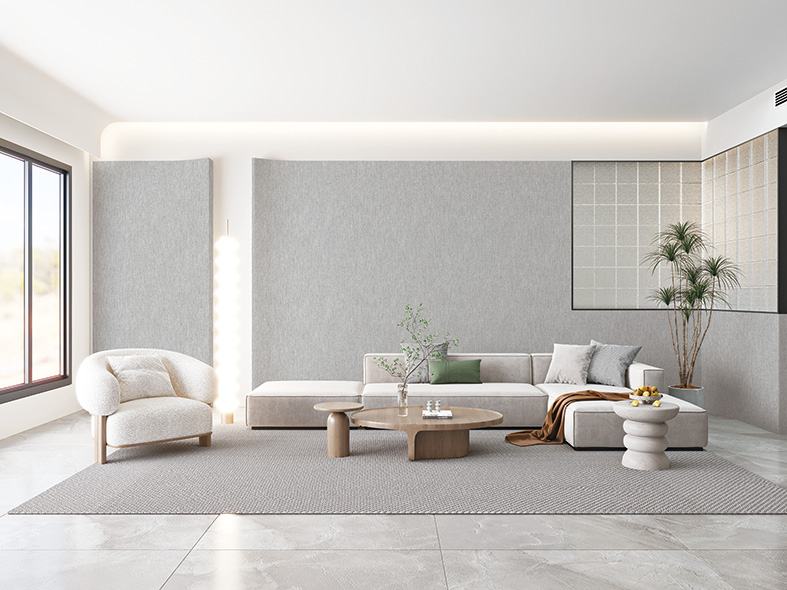
Fabric wallcovering is becoming a popular choice for modern interior design. It brings more texture and depth than ordinary painted walls. At the same time, new production methods make fabric wallcovering easier to install, more durable, and easier to maintain.
But how is fabric wallcovering made?
In general, the process includes material selection, fabric preparation, coating, printing or embossing, surface treatment, quality control, and final packaging. Each step affects the final look and performance of the wallcovering.
For modern homes, hotels, offices, and other commercial spaces, choosing the right fabric wallcovering can improve both the appearance and long-term use of a wall.
What Is Fabric Wallcovering?
Fabric wallcovering is a wall decoration material that uses a fabric or non-woven base with a decorative surface layer. Compared with simple wall paint, it can offer richer texture, patterns, and visual depth.
Modern fabric wallcovering can also include special surface treatments. For example, manufacturers may add waterproof, stain-resistant, mildew-resistant, or scratch-resistant properties.
As a result, fabric wallcovering is no longer only about appearance. It can also provide practical value for everyday interior spaces.
Nockybrothersfocuses on wall coverings and finished art paint for residential and commercial applications. Its product range includes textured and fabric-based wall covering solutions designed for modern interior spaces.
How Is Fabric Wallcovering Made?
The manufacturing process of fabric wallcovering usually includes several important stages. Although the exact process may change based on the product, the main steps are similar.
1. Selecting the Fabric Wallcovering Base
First, manufacturers select a suitable base material.
The base needs to provide good strength and dimensional stability. Non-woven materials are commonly used because they are light, stable, and suitable for wall decoration.
For some premium products, manufacturers also use woven or jacquard fabrics. These materials can create a more natural textile appearance.
For example, Nockybrothers offers finished art paint products using non-woven bases as well as polyester yarn dyed jacquard fabric for selected designs. Its Sweden and Galway collections use a jacquard fabric structure with a woven texture.
2. Preparing the Fabric Surface
Next, the base material needs to be prepared.
The surface must be clean and stable before coating or printing. Proper preparation helps the next layer bond well with the base.
This step is important because poor surface preparation can lead to uneven color, weak adhesion, or surface defects.
Therefore, manufacturers usually control the tension, moisture, flatness, and cleanliness of the material before moving to the next stage.
3. Applying the Coating
After preparation, a coating can be applied to the surface.
The coating helps create the desired color, texture, and performance. Depending on the product, water-based materials, resins, mineral fillers, or other surface materials may be used.
Modern wallcovering production also focuses more on environmental performance. For example, Nockybrothers states that its finished art paint products use water-based materials and eco-friendly base materials.
The coating process must be controlled carefully. An even coating can help create a smooth and consistent finished surface.
4. Adding Texture and Patterns
After coating, manufacturers can add patterns or textures.
There are several ways to create a decorative wallcovering surface. Printing can add colors and patterns, while embossing can create a three-dimensional effect.
For example, Nockybrothers' Beading Art uses high-precision embossing and circular screen printing technology to create its decorative surface. The product combines a non-woven fabric base with a water-based coating system.
This step gives fabric wallcovering its unique visual character.
It can create effects such as:
- Fine fabric texture
- Woven patterns
- Soft matte surfaces
- Three-dimensional textures
- Decorative artistic effects
- Minimalist plain-color finishes
As a result, designers can choose wallcoverings that fit different interior styles.
How Does Fabric Wallcovering Get Its Special Performance?
Modern fabric wallcovering is designed for more than visual appeal. Performance is also an important part of the manufacturing process.
Waterproof and Stain-Resistant Fabric Wallcovering
A suitable surface treatment can improve water resistance and make daily cleaning easier.
This is especially useful in homes, hotels, offices, and other areas where walls may be exposed to daily stains.
Nockybrothers highlights waterproof and anti-fouling performance in its wall covering solutions. According to the company, common daily stains can be wiped from the surface, while the materials are also designed to resist oil stains and mildew.
Scratch-Resistant Wallcovering
Walls in busy homes can experience scratches and minor impacts.
Therefore, surface hardness is another important factor. A stronger surface can help the wall maintain its appearance for longer.
This is especially useful for family homes, corridors, hotels, and other high-use spaces.
Nockybrothers describes its wall covering products as wear and scratch resistant, with high hardness and impact resistance.
Moisture and Mildew Resistance
Humidity can cause problems for traditional wall finishes.
However, modern wallcovering can be designed with moisture and mildew resistance. This makes it more suitable for humid environments.
Nockybrothers states that its wall covering solutions combine breathability with waterproof performance and are designed for humid weather and wet environments.
What Is the Difference Between Fabric Wallcovering and Traditional Wall Finishes?
Fabric wallcovering offers several differences compared with ordinary paint.
First, it provides more texture. Paint mainly changes the color of a wall, while fabric wallcovering can add both color and physical texture.
Second, wallcovering can create a more finished decorative look. Different textures and patterns can be selected to match modern, luxury, Nordic, minimalist, or other interior styles.
Third, some modern wallcovering products offer additional functional properties.
For example, Nockybrothers highlights stain resistance, waterproof performance, scratch resistance, moisture resistance, and mildew resistance among its product advantages.
Therefore, the right fabric wallcovering can combine decoration and practical performance in one wall finish.
Why Is Fabric Wallcovering Suitable for Modern Interior Spaces?
Modern interior design often focuses on simple colors, natural textures, and clean visual lines.
Fabric wallcovering fits this trend well because it can provide a soft and rich surface without making a room look too busy.
Fabric Wallcovering for Residential Spaces
In homes, fabric wallcovering can be used in:
- Living rooms
- Bedrooms
- Children's rooms
- Feature walls
- Corridors
- Basements
- Full-house decoration
Nockybrothers also promotes its wall covering solutions for full-house decoration and residential spaces.
For example, soft matte textures can create a calm bedroom. Meanwhile, a more detailed textured wall can become a focal point in a living room.
Fabric Wallcovering for Hotels
Hotels need wall materials that look attractive and can handle regular use.
Fabric wallcovering can create a more refined visual effect while providing useful surface performance.
Nockybrothers products are designed for both residential and commercial applications, including hotels and other hospitality spaces.
Fabric Wallcovering for Offices and Commercial Spaces
Modern offices often need clean and professional interiors.
A textured wallcovering can add visual depth without using complex decoration. It can also help create different zones within an office or commercial space.
For this reason, fabric wallcovering is suitable for reception areas, meeting rooms, corridors, feature walls, and other commercial interiors.
What Makes Nockybrothers Fabric and Wall Covering Solutions Different?
Nockybrothers New Materials was founded in 2012 and is based in Suzhou, China. The company focuses on the research, production, and sales of wallpaper, wall coverings, and finished art paint.
Its product range includes several types of textured wall finishes.
One example is Finished Art Paint Beading Art. It uses a 90g medical-grade fully cross-spunlaced non-woven fabric and a water-based coating system. High-precision embossing and circular screen printing are used to create the decorative effect.
Another product group includes Finished Art Paint Sweden and Finished Art Paint Galway. These products use polyester yarn dyed jacquard fabric and offer a woven surface texture. Their fixed 2.9-meter height can also support seamless interior wall applications.
Nockybrothers also offers waterproof finished art paint products with different surface effects, including velvet and glittering textures.
These options give designers more freedom when choosing a wall finish for a modern interior project.
How Does Fabric Wallcovering Improve Interior Design?
The biggest advantage of fabric wallcovering is its ability to combine visual texture with practical performance.
A simple wall can become more attractive with the right surface texture. At the same time, a suitable wallcovering can help protect the wall from daily stains, moisture, scratches, and general wear.
In addition, seamless construction can create a cleaner overall appearance. Nockybrothers highlights seamless construction, strong fitting at corners and edges, and a shorter construction period as key advantages of its wall covering solutions.
Therefore, fabric wallcovering can be a practical choice for projects that need both style and durability.
How Should You Choose Fabric Wallcovering for a Project?
Before selecting a product, consider several factors.
First, think about the location. A bedroom may need a different texture from a hotel lobby.
Next, consider the expected level of use. High-traffic areas may benefit from stronger wear and stain resistance.
Then, check the local climate. If the project is in a humid area, moisture and mildew resistance should be considered.
Finally, look at the design style. Minimalist interiors may work well with plain colors and soft textures, while feature walls can use stronger patterns or three-dimensional effects.
In short, the best fabric wallcovering is not simply the one with the most attractive pattern. It should also match the space, climate, installation needs, and expected use.
The Future of Fabric Wallcovering for Modern Interiors
Fabric wallcovering is moving toward a combination of design, performance, and easier installation.
Modern products are expected to offer richer textures while also providing better resistance to water, stains, moisture, scratches, and daily wear.
At the same time, water-based materials and more environmentally focused production methods are becoming increasingly important.
Nockybrothers is developing wall covering and finished art paint solutions around these needs, with products designed for modern residential and commercial spaces.
As interior design continues to focus on comfort, texture, and practical performance, fabric wallcovering can remain an important option for modern wall decoration.
Conclusion
So, how is fabric wallcovering made for modern interior spaces?
The process usually starts with a stable fabric or non-woven base. Then, the material is prepared, coated, printed or embossed, surface-treated, inspected, and packaged.
However, the manufacturing process is only part of the story. The quality of the raw materials, surface technology, texture design, and performance treatment all affect the final product.
For modern homes, hotels, offices, and commercial projects, fabric wallcovering offers a useful balance of texture, design, durability, and practical performance.
With its range of finished art paint and wall covering solutions, Nockybrothersprovides options for designers and project buyers looking for modern, durable, and visually rich wall finishes.


